
Services / Sedation Dentistry
Sedation Dentistry in Powdersville, SC
Sedation dentistry uses medicine to help you feel calm during dental care. At Powdersville Dental Associates, the options are nitrous oxide (laughing gas) for mild nerves and an oral anti-anxiety medicine. We are also adding moderate IV sedation (medicine through a vein), given by certified registered nurse anesthetists (CRNAs) on scheduled sedation days. Any patient of our practice can ask about nitrous oxide or the oral medicine now, and about IV sedation once our sedation days begin. It can help if fear, a long visit or surgery such as implants or extractions has kept you from care. Your health history decides which option fits you.
- Nitrous oxide
- Oral anti-anxiety medicine
- IV sedation days being added
- Open to all our patients
Nitrous oxide and an oral anti-anxiety medicine; IV sedation days being added
People with dental fear, long or surgical visits, or a strong gag reflex
Being added and booked in advance, at first about one day a month. Ask to be put on the list
A health history and medicine review. Oral and IV sedation: no solid food for 8 hours before, and a driver. Nitrous oxide: you can eat beforehand and drive yourself
Nitrous wears off soon after the mask comes off. Oral and IV sedation take longer, so plan to rest
Which option you choose, how long the visit is, and the treatment itself
Not in network with any PPO or HMO plan. We file claims for you
Who can sedation dentistry help?
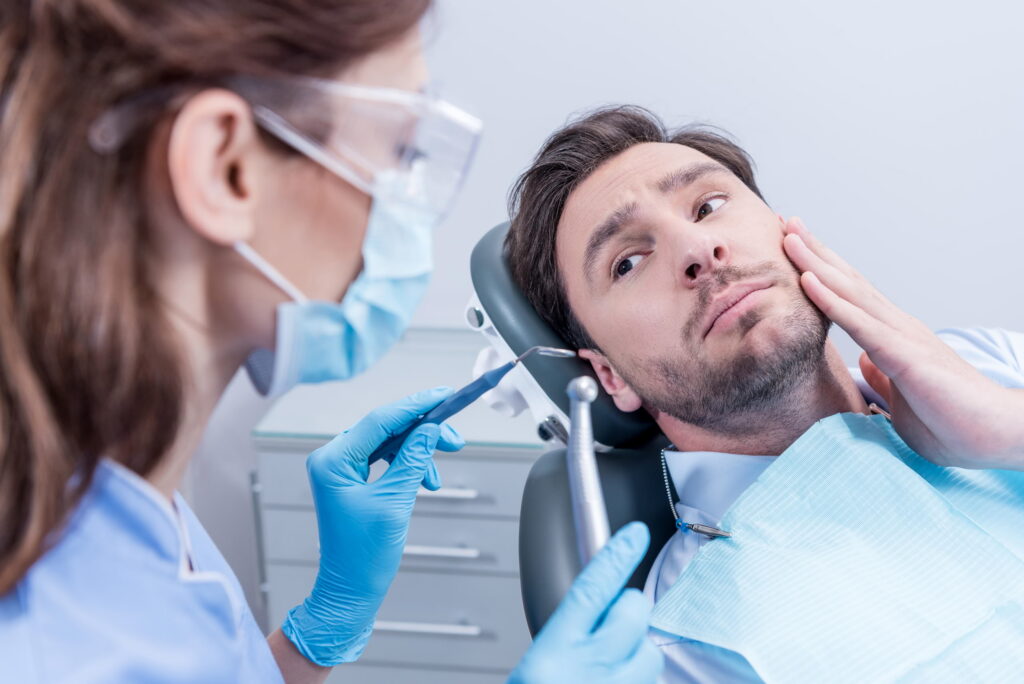
Sedation can help you if worry about the dentist makes it hard to sit through care, or has kept you away for a long time. The American Dental Association (ADA) says medicines are available to help make dental visits more relaxed and comfortable, and that more complex treatment may call for deeper sedation.
People often ask about sedation for:
Dental fear or anxiety, from mild nerves to fear that has kept you from booking at all.
Long or surgical visits, such as dental implants, tooth extractions, bone grafts or several treatments done in one visit.
A strong gag reflex that makes impressions, X-rays or treatment hard. Tell us about it, and we can talk about whether a sedation option could help you.
Sedation does not suit every person or every visit. Your dentist talks it through with you first and helps you choose the option that fits your needs and your health.
What are the levels of sedation, and what does each feel like?
The options here range from light to deeper. Anesthesia doctors describe sedation as a scale: at the lightest level you respond normally when spoken to, and at deeper levels you respond to voice or touch while your breathing is watched more closely.
| Nitrous oxide | Oral anti-anxiety medicine | IV sedation | |
|---|---|---|---|
| How it is given | You breathe it through a small mask over your nose | A pill you swallow | Medicine through a small tube in a vein, given by a CRNA |
| Depth | Light | Light | Moderate, deeper than the other two |
| What it may feel like | Light-headed, tingly or heavy arms and legs, calm | Relaxed and drowsy | Very relaxed and drowsy; you may not remember much |
| Are you awake? | Yes, you can hear us and answer | Yes, you can respond | You can usually still respond when spoken to |
| When it is taken | At your visit | At home: one the night before, one an hour before you arrive | Upcoming scheduled sedation days, booked in advance |
| Eating before | You can eat right before | No solid food for 8 hours | No solid food for 8 hours |
| Driver needed | No, you can drive yourself | Yes, to and from your visit | Yes, and we only send you home once your driver is here |
Nitrous oxide (laughing gas)
Nitrous oxide is a gas mixed with oxygen that you breathe through a small mask over your nose. The ADA says you may feel light-headed or tingly, your arms and legs may feel heavy, and you should feel calm. It is not meant to put you to sleep, and its effects wear off soon after the mask is removed. You can eat beforehand and drive yourself home. It is our usual choice for mild nerves.
Oral anti-anxiety medicine
This is a pill, an oral anti-anxiety medicine such as diazepam (Valium), that helps you feel relaxed. You take it at home: one pill the night before your visit and one about an hour before you arrive. You stay awake and can respond, but you may feel drowsy, so you need someone to drive you to and from your visit. Do not eat solid food for 8 hours before.
IV sedation on scheduled sedation days
IV sedation is the deepest option we are adding. It is moderate sedation: the medicine goes into a vein through a small tube, and it is given by experienced certified registered nurse anesthetists (CRNAs), nurses with advanced training in anesthesia. You will likely feel sleepy and relaxed, you can usually still respond when spoken to, and you may not remember much of the visit afterward.
We are adding IV sedation days to our schedule, planned at first for about one day a month. Each day is booked in advance, so IV sedation is not something we can add on the day of a visit. If you are interested, call and ask to be placed on the list for an upcoming sedation day. It is a good question to ask when you are planning implant surgery or extractions.
Is dental sedation safe?
Sedation is used in dental offices every day, but it is still medicine and it carries risks, so your health comes first. The ADA says dentists treat millions of patients safely every year, and that your overall health, history of allergies and anxiety level are considered when sedation is planned.
Before any sedation, your dentist reviews:
Your health history, including heart, lung and breathing problems and past reactions to anesthesia.
Every medicine you take, including over-the-counter medicines, supplements and herbs.
Allergies.
Whether you are or could be pregnant.
Bring a list of your medicines to your visit. If you are not sure about something, tell us anyway. A complete picture helps your dentist choose the right option, or decide that sedation is not a good idea for you.
Who should not have sedation?
Some people are not good candidates for sedation, or need a lighter option or a talk with their physician first. Your dentist decides this with you after the health review. Let us know before your visit if you:
- Are pregnant or could be pregnant.
- Have a health condition that affects your breathing, heart or liver.
- Take medicines that cause drowsiness, or other sedatives.
- Have had a bad reaction to sedation or anesthesia before.
If you are asking about sedation for a child, call us first to talk it over. Children are evaluated differently, and the ADA follows separate guidelines for children.
What should you expect before, during and after sedation?
What you need to do depends on the option you choose, and your dentist gives you instructions that fit your visit.
Before your visit
- Health review. We go over your health history, medicines and allergies, and choose the option together.
- Eating. For oral or IV sedation, do not eat solid food for 8 hours before your visit, and follow the rest of the instructions we give you. For nitrous oxide, you can eat right before.
- Your ride. For oral or IV sedation, arrange for a responsible adult to drive you to and from your visit. For IV sedation, your driver does not have to wait in the office, but we only send you home once your driver is here. With nitrous oxide, you can drive yourself.
- The oral medicine. If you chose the anti-anxiety pill, take one the night before and one about an hour before you arrive.
- Your regular medicines. Ask whether to take your usual medicines that day. Do not stop a prescribed medicine on your own.
During your visit
Nitrous oxide: you breathe normally through your nose and start to feel the effects within a few minutes.
Oral medicine: you relax as the medicine takes effect.
IV sedation: the CRNA places the IV, gives the medicine and watches you throughout the visit while the dentist does the treatment.
Sedation helps you relax. For most treatment, the area being worked on is also numbed, so tell us right away if anything feels sharp.
After your visit
Nitrous oxide: the effects wear off soon after the mask comes off.
Oral and IV sedation: you may feel drowsy and not remember much. For at least 24 hours, do not drive, use machinery, drink alcohol or make important legal decisions.
Normal: a little drowsiness, a headache or an upset stomach.
Call us at (864) 269-0820 if you have questions after your visit. For trouble breathing or any emergency, call 911.
What are the risks and alternatives?
No medicine is free of risk. Possible problems include:
Breathing problems if too much medicine is given, which is why your breathing is watched during deeper sedation.
A headache or an upset stomach after the visit.
Drowsiness that lasts for hours after oral or IV sedation.
Alternatives to sedation:
Numbing alone, with breaks when you need them and a hand signal to pause.
A lighter option first, such as nitrous oxide, to see how you feel.
Doing nothing. Putting off care can let a small problem grow into a bigger one, which may mean more treatment later. Talk with us about the right next step for you.
How much does sedation dentistry cost in Powdersville?
The cost of sedation depends on your visit, and we explain it before treatment so you can decide. The main cost drivers are:
Which option you choose: nitrous oxide, oral medicine or IV sedation.
How long the visit is.
The CRNA’s time on IV sedation days. Sedation is billed through our office, so you do not get a separate bill from the nurse anesthetist.
The treatment itself, such as implants or extractions.
We are not in network with any PPO or HMO plan, and we submit claims to your insurance for you. Whether your plan pays toward sedation depends on your plan. You can also pay over time with CareCredit or Cherry. See financing.
Your dentist for sedation visits
Dr. Jonathan Fernandez, DMD
Dr. Fernandez plans, places and restores implants himself, using a 3D scan and a surgical guide in nearly every case. He cares for each patient personally, from the first visit through healing.
Why patients choose Powdersville Dental Associates for sedation
Comfort options in one office: nitrous oxide and an oral anti-anxiety medicine, with IV sedation days being added.
Surgery and sedation planned together.Dr. Jonathan Fernandez places and restores implants himself and does extractions, bone grafts and sinus lifts in our office.
Implant training. Dr. Fernandez completed the AAID MaxiCourse (300 continuing education credits) and passed written and oral exams to become an Associate Fellow of the American Academy of Implant Dentistry.
3D planning before surgery. A 3D cone beam scan (CBCT) is merged with a digital scan of your teeth, and most implants are placed with a surgical guide, so your visit is planned before you sit down.
Open to all our patients. Any patient of our practice can ask about sedation, and your health review decides which option fits you.
Rooted in Powdersville. Dr. Patrick Jopling, DMD, has practiced in Powdersville for over 20 years.
Frequently asked questions
Will I be asleep during dental sedation?
With nitrous oxide or the oral medicine, you stay awake and can talk with us, though you feel relaxed. IV sedation is deeper: you will likely feel very sleepy and may not remember much, but you can usually still respond when spoken to. Your dentist explains what to expect with your option.
Is sedation dentistry safe?
The ADA says dentists treat millions of patients safely every year. Sedation is still medicine, so your health history, allergies and medicines are reviewed first, and some people need a lighter option or none at all. Your dentist goes over the risks with you before you decide.
Can I have IV sedation for my dental implant surgery?
You can ask. We are adding scheduled IV sedation days with CRNAs, planned at first for about one day a month and booked in advance. Call us and ask to be placed on the list for an upcoming sedation day, and we will plan your implant visit around it.
Do I need someone to drive me home?
Yes, for oral or IV sedation. Plan for a responsible adult to drive you to and from your visit, and do not drive or use machinery for at least 24 hours. For IV sedation, your driver can leave during the visit, but we only send you home once your driver is here. For nitrous oxide, you can drive yourself.
Can I eat before my sedation visit?
It depends on the option. For oral and IV sedation, do not eat solid food for 8 hours before your visit, and follow the other instructions we give you closely, since they matter for your safety. For nitrous oxide, you can eat right before. Call us if you are unsure, or if you take medicines that need food.
Will sedation help with a strong gag reflex?
It may help some people relax enough for care, but it works differently for each person. Tell us about your gag reflex when you book, and your dentist will talk with you about whether nitrous oxide or another option could make your visit easier.
Does insurance cover sedation?
It depends on your plan. We are not in network with any PPO or HMO plan, and we submit claims for you. Sedation is billed through our office. We explain the cost before your visit, and you can pay over time with CareCredit or Cherry.
Book a sedation consultation in Powdersville
If fear or a big procedure has kept you from the dentist, start with a conversation. Call to talk about your options, or to be placed on the list for an upcoming IV sedation day.
100 Commons Blvd., Piedmont, SC 29673